In modern apartments, open layouts are a favorite for their spacious feel and versatility. Yet, without physical walls to define rooms, creating boundaries in these shared spaces can be a challenge, especially when balancing privacy with functionality. Whether you’re working from home, co-living, or just looking to separate activities in a single space, there are creative ways to carve out distinct zones without compromising the openness.
1. Utilize Furniture as Dividers
Furniture like bookshelves, couches, or storage units can serve as natural dividers. A tall, open-back bookshelf, for instance, separates a room without blocking light flow. Try positioning a couch at the edge of a living room space to distinguish it from a dining area, or use a low console table behind the couch for subtle division.
2. Play with Rugs and Flooring
One of the simplest ways to define areas is by changing up rugs or flooring. A plush area rug under your couch visually anchors the living space, while a different texture or color under a dining table sets it apart.
3. Embrace Vertical Elements with Screens and Curtains
Screens, curtains, or hanging dividers can add a level of privacy without altering the room’s structure. Tall, folding screens can be positioned wherever needed, while curtains can be mounted on ceiling tracks to give a fluid, temporary boundary.
4. Differentiate with Lighting
Dedicated lighting can emphasize separate zones. Pendant lights over a dining table, a floor lamp in the living room, and a desk lamp in the work area help designate each section’s purpose and create subtle boundaries.
5. Create Mini Zones with Plants
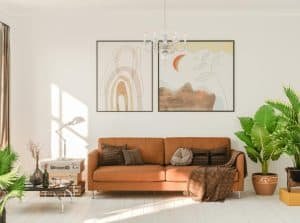
Plants of different heights, especially tall ones like fiddle leaf figs or indoor palms, make excellent natural barriers. Clustered greenery can define an area while enhancing the apartment’s ambiance, giving each space a different feel.
6. Strategic Color Blocking
Color can be a powerful tool for zoning in an open layout. Paint an accent wall, or use colorful décor in distinct areas to make them visually distinct. For instance, a cozy reading nook could have warmer tones, while a workspace may benefit from cooler hues.
Creating boundaries in open apartment layouts is all about maximizing versatility while maintaining openness. Thoughtfully chosen dividers, color schemes, and furniture placements can make each space functional, cozy, and personalized. With a bit of creativity, you can transform any open layout into a thoughtfully partitioned home that meets all your needs.